
Classic cars have a special charm. They remind us of a time when cars were both beautiful and simple. But now, with strict emission rules, how do these old cars still have a place?
London’s ULEZ requires cars to meet strict emission standards to enter certain areas without paying high fees.
This is good for the environment but makes things hard for older, less eco-friendly car owners.
This blog will explain which classic cars are ULEZ exempt and why. We’ll look at the exemption rules and celebrate the lasting appeal of these vintage cars.
Criteria for ULEZ Exemption
Classic cars generally need to be over 40 years old to be exempt from ULEZ charges. This recognizes their historical importance and allows older vehicles, which might not meet current emission standards, to still be used without extra fees.
In addition to age, vehicles with historical significance can qualify for ULEZ exemption. This applies to cars that have played a pivotal role in automotive design, technology, or cultural impact.
These vehicles are valued for their rarity, craftsmanship, and their contribution to automotive history.
Owners wishing to exempt their classic cars from ULEZ charges must provide specific documentation.
This includes proof of the vehicle’s age, any historical significance, and confirmation that it meets designated emissions standards.
Having the correct paperwork allows them to freely enjoy their classic cars in ULEZ zones without facing fines.
Are Classic Cars Exempt from ULEZ Charge?
Yes, according to the London government, many classic cars are exempt from ULEZ charges under certain conditions. Typically, vehicles classified under the historic tax class qualify for exemption.
The historic tax class applies to vehicles built over 40 years ago, following a rolling system managed by the DVLA. Once a car reaches this age threshold, it is automatically exempt from ULEZ charges when driven within designated zones.
However, there are exceptions and exceptional cases to consider. While most classic cars over 40 qualify for exemption, newer classics and those used commercially may not be exempt.
Classic car owners should verify their vehicle’s status and eligibility under the current ULEZ guidelines.
List of ULEZ Exempt Cars
Compiling a list of ULEZ-exempt classic cars involves identifying vehicles that meet regulatory bodies’ specific age and emissions criteria.
These cars showcase timeless design and engineering and adhere to environmental standards that exempt them from ULEZ charges.
1. European Classics
i. Jaguar E-Type
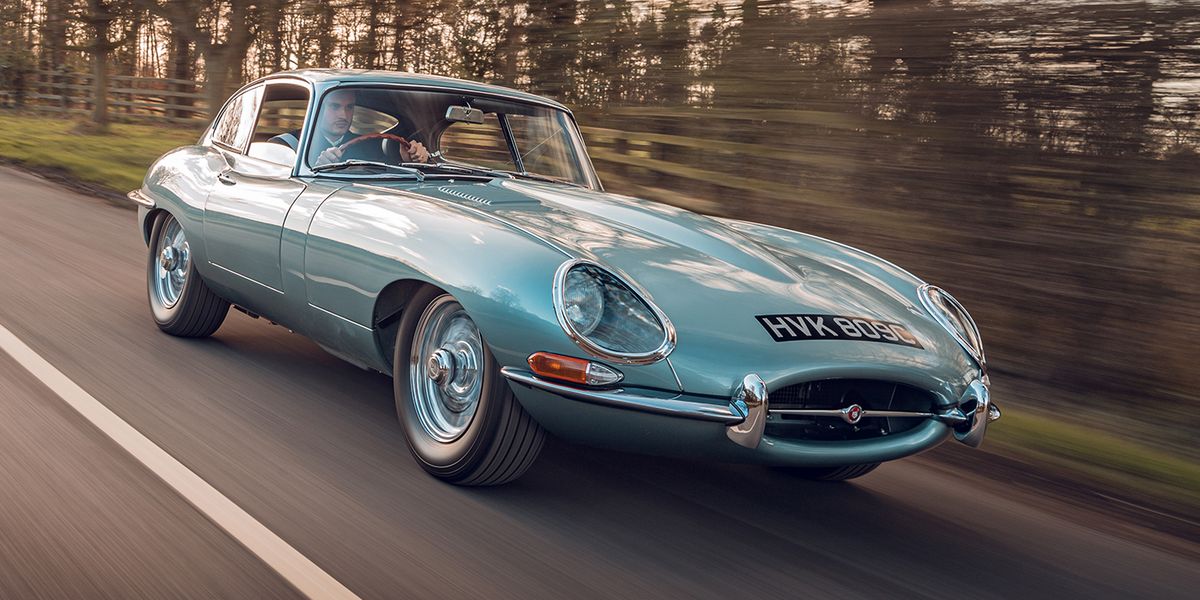
Celebrated for its sleek lines and powerful engine, the E-Type symbolises British automotive excellence from the 1960s.
ii. Aston Martin DB5
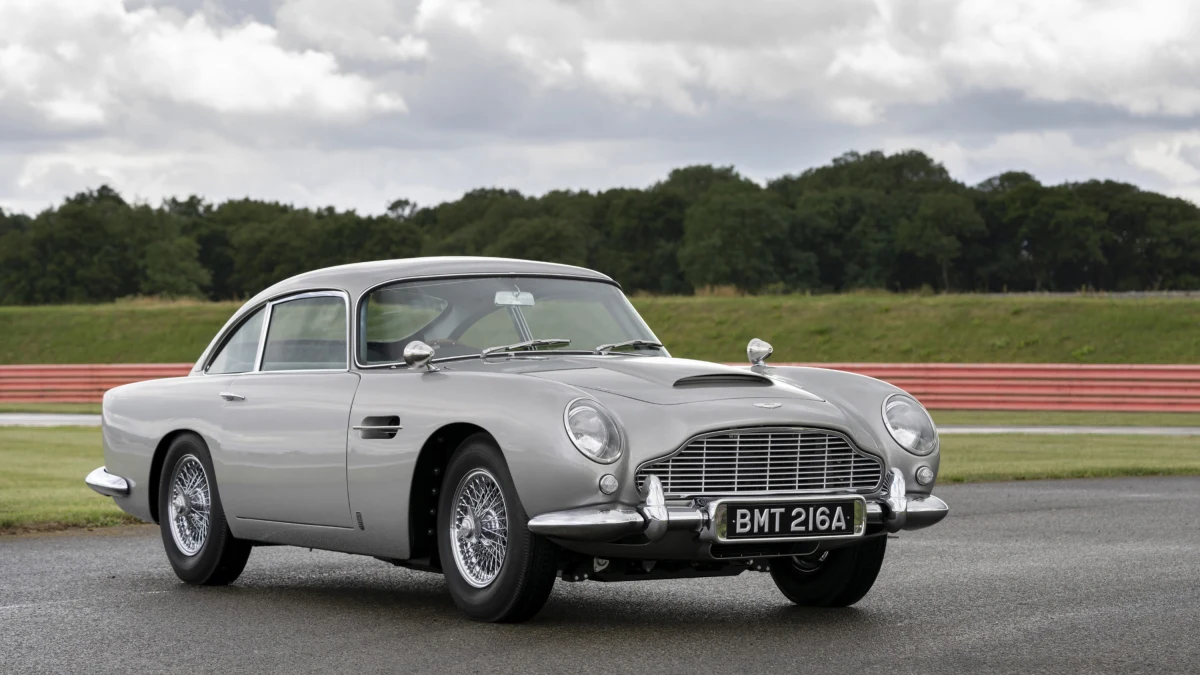
The DB5 embodies luxury and performance in classic cars and is renowned for its association with James Bond.
iii. Volkswagen Beetle
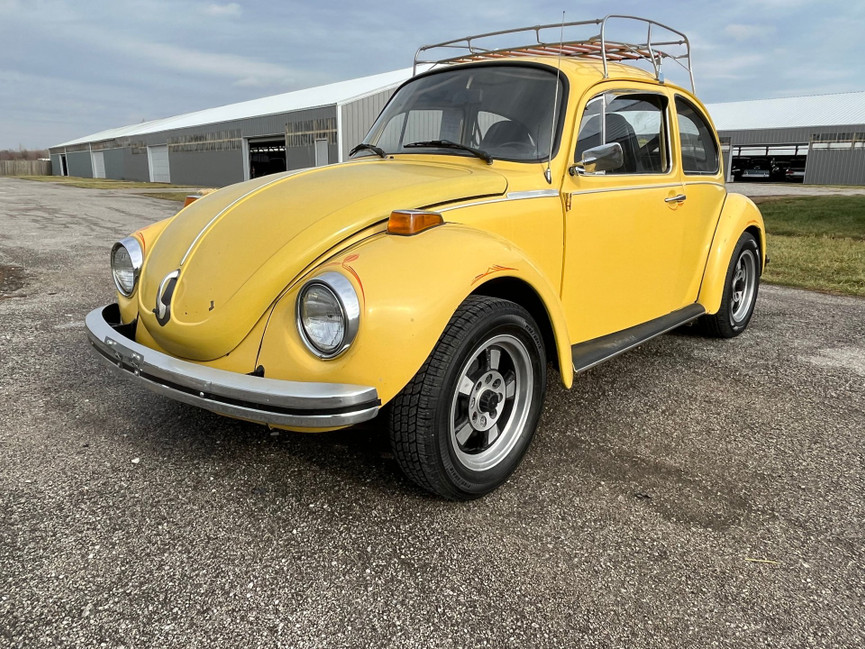
Recognizable for its unique shape and cultural significance, the Beetle has charmed enthusiasts worldwide since its debut in the 1940s.
2. American Classics
i. Ford Mustang
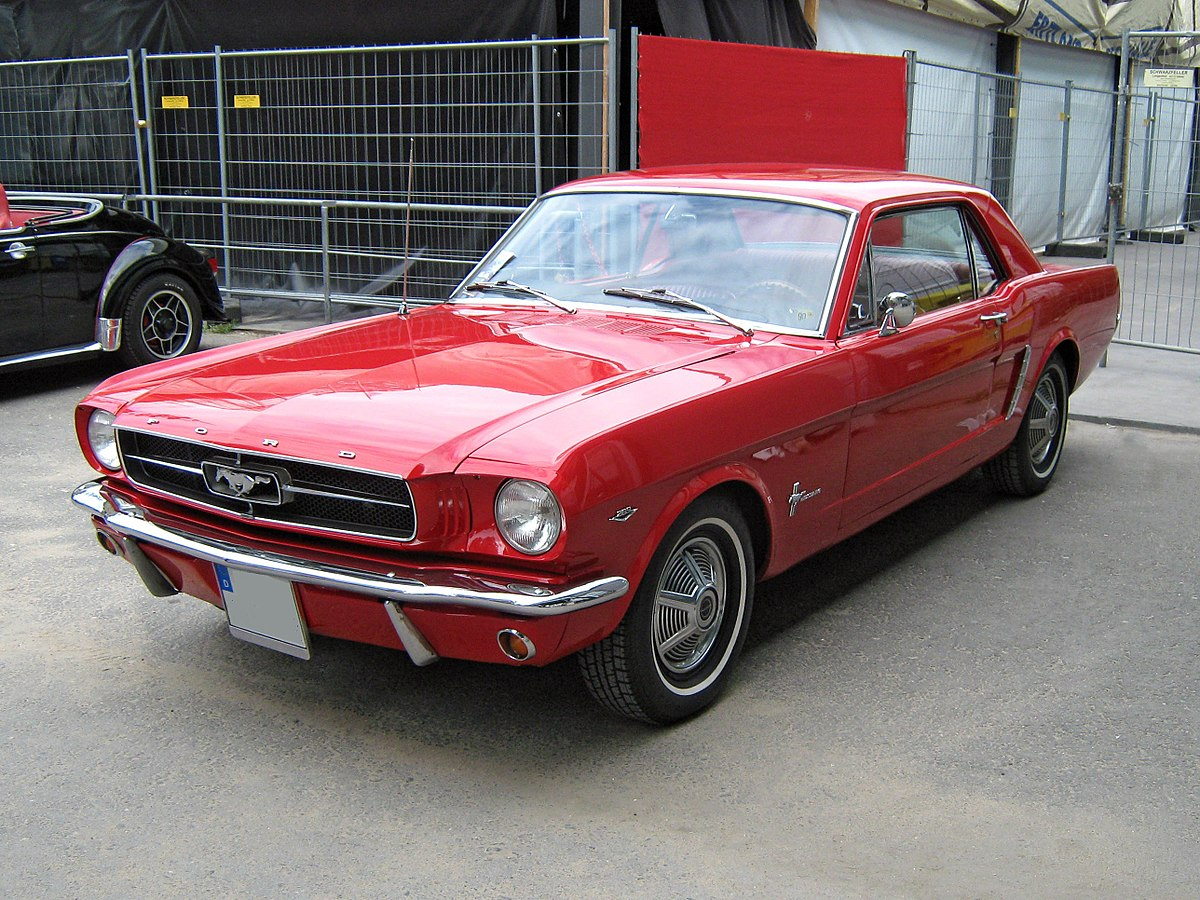
Iconic of the American muscle car era, the Mustang blends performance and style, captivating enthusiasts since its inception in 1964.
ii. Chevrolet Corvette
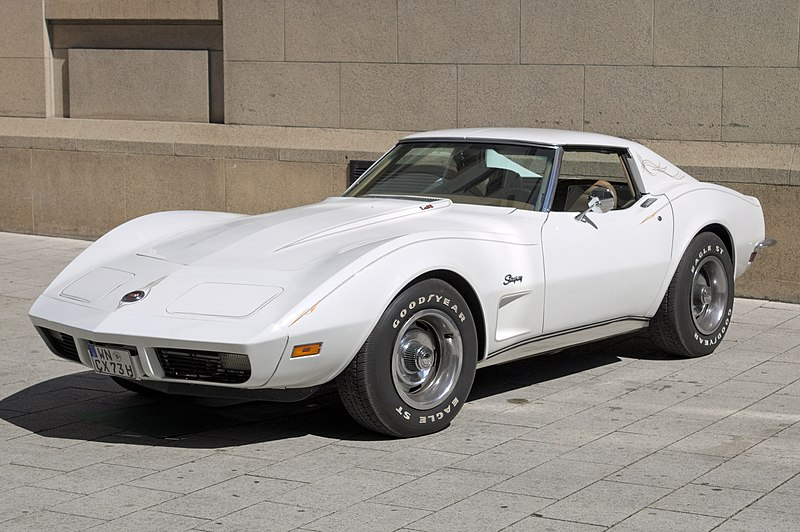
Noted for its speed and distinctive design, the Corvette has epitomized American automotive excellence since the 1950s.
iii. Cadillac Eldorado
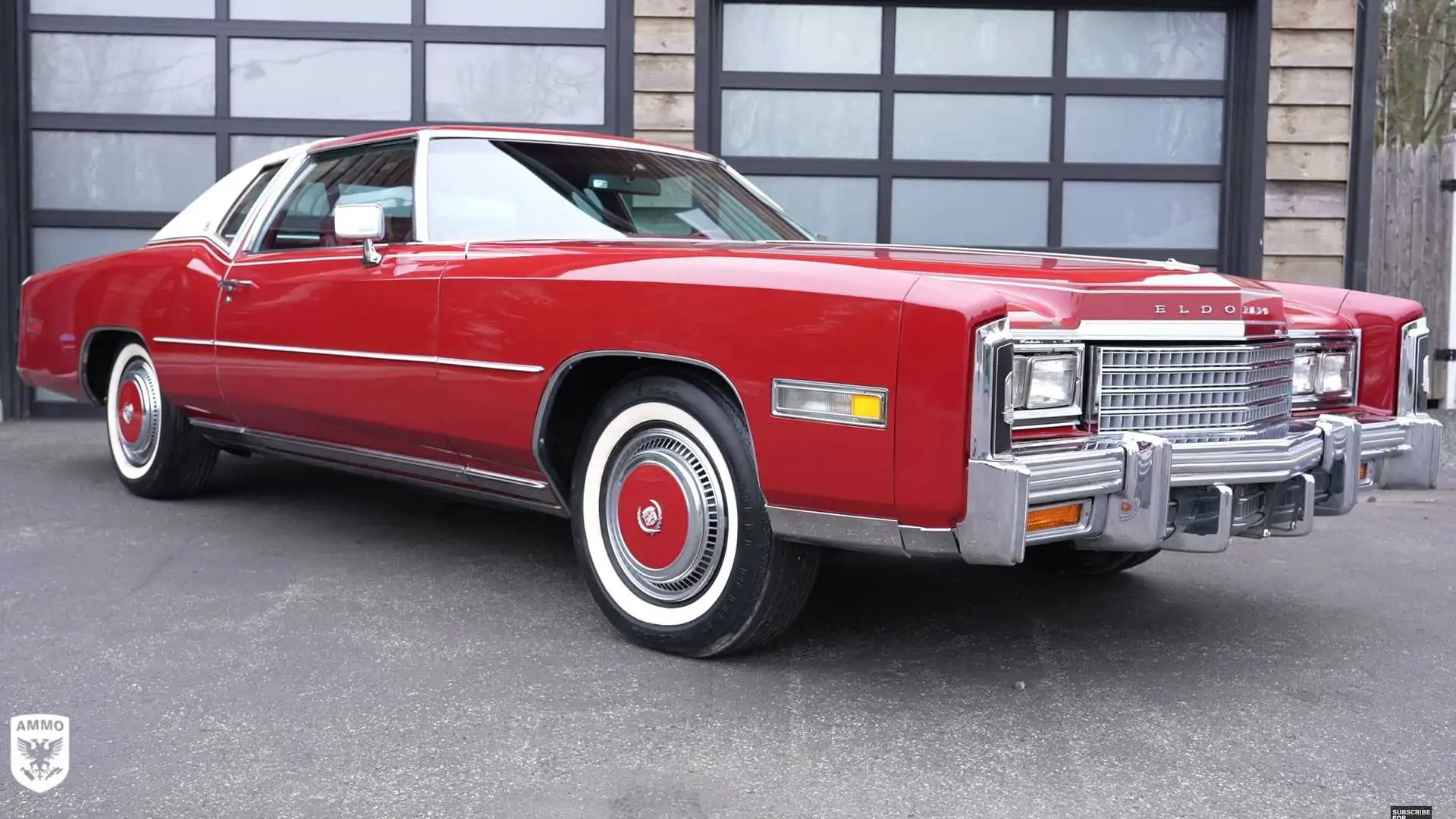
Exemplifying luxury and innovation, the Eldorado serves as Cadillac’s flagship model, embodying mid-20th-century opulence.
3. Other Notables
i. Porsche 911
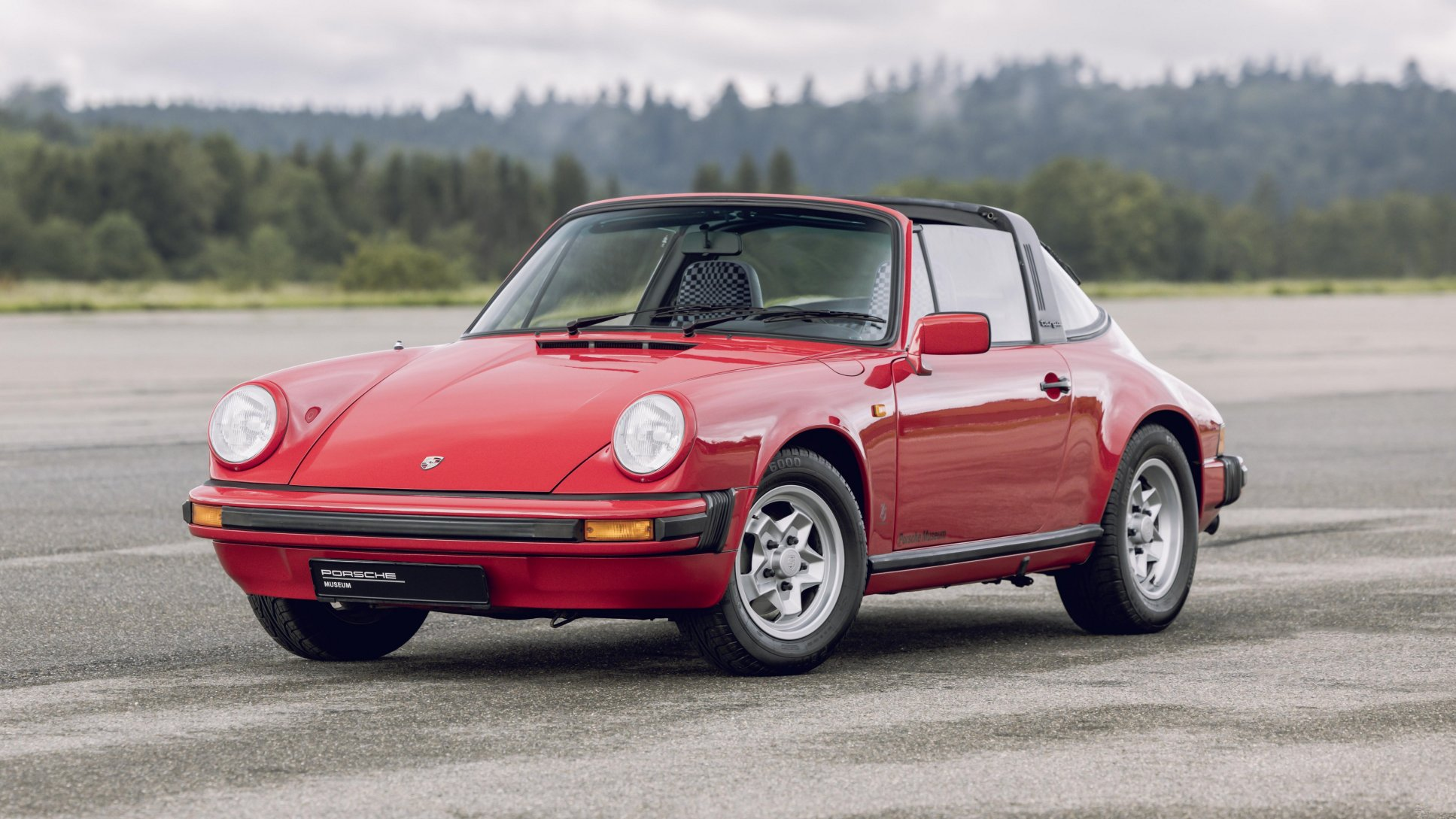
A pinnacle of German engineering, the 911 has evolved over decades while maintaining its status as a benchmark in sports car design.
ii. Mercedes-Benz 300SL

Iconic for its gull-wing doors and technological advancements, the 300SL symbolizes Mercedes-Benz’s engineering prowess.
iii. Ferrari 250 GTO
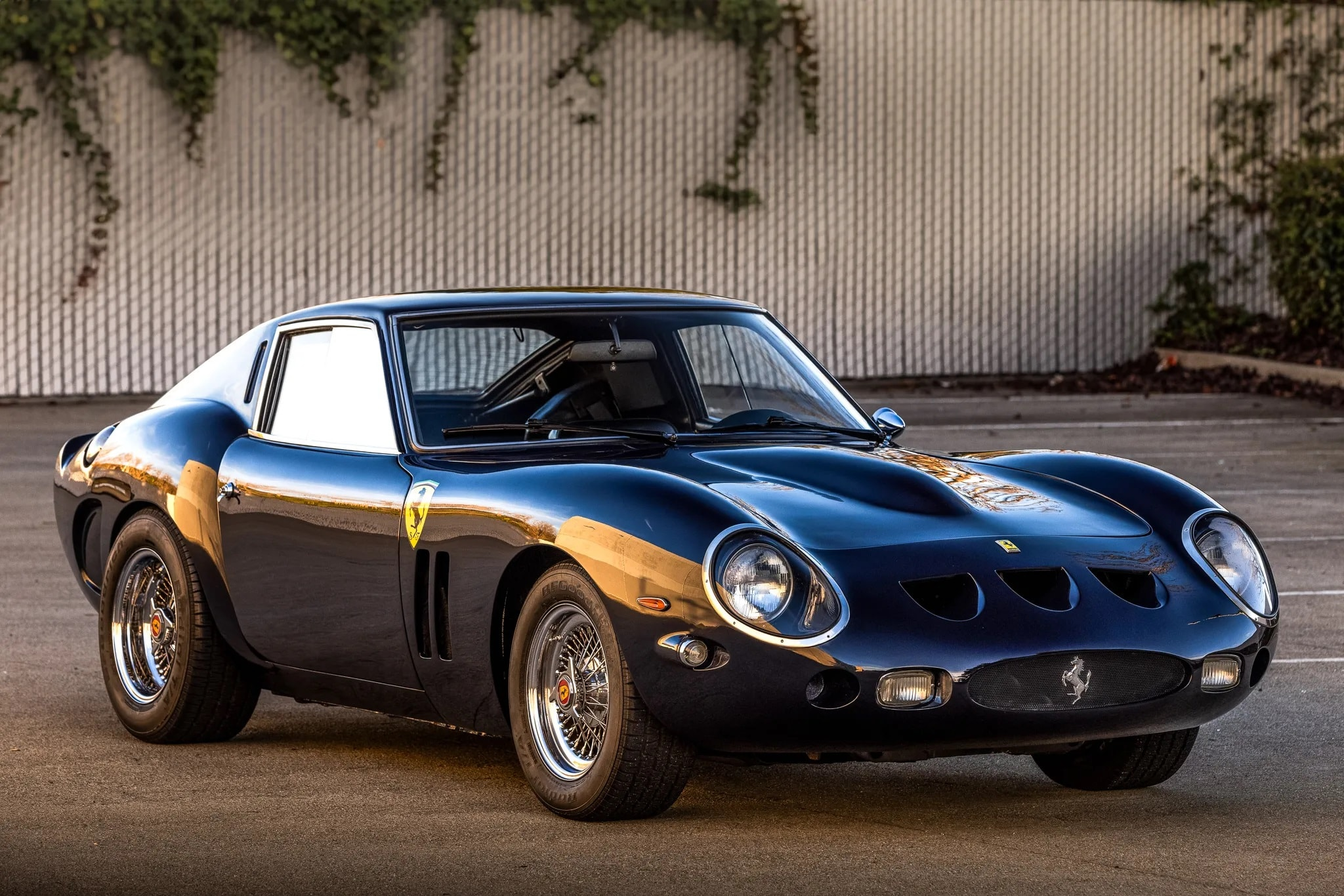
Rare and highly coveted, the 250 GTO blends racing pedigree with Italian automotive artistry, standing as a crown jewel in any classic car collection.
These classic cars not only qualify for ULEZ exemption but also continue to enchant enthusiasts globally with their timeless charm and historical importance.
Each model embodies a chapter in automotive history, celebrating the artistry and craftsmanship of a goneby era.
Why Are These Vehicles Qualify For ULEZ Exemption?
These classic cars qualify for ULEZ exemption because of their significant roles in automotive history.
These vehicles often mark pivotal moments in design, technology, and cultural impact.
For instance, icons like the Jaguar E-Type and Aston Martin DB5 represent British automotive excellence from the 1960s, showcasing innovative engineering and enduring design.
Their exemption recognizes them as cultural treasures worthy of preservation and enjoyment in urban environments.
From a technical perspective, classic cars eligible for ULEZ exemption generally feature characteristics that mitigate their environmental impact despite their age.
Engine designs from past decades, like those in the Chevrolet Corvette or Porsche 911, were crafted for performance while meeting the emissions standards of their era.
While not as environmentally friendly as modern vehicles, their emissions remain within acceptable limits for exemption, showcasing their engineering integrity and lasting appeal.
Beyond their technical specifications, these classic cars carry profound cultural significance.
Vehicles like the Volkswagen Beetle and Ford Mustang represent cultural movements and societal changes, embodying the aspirations and values of their times.
Their exemption from ULEZ charges recognizes their influence on popular culture and automotive history, evoking nostalgia and admiration among enthusiasts globally.
Preserving these cars ensures that future generations can experience their impact on automotive innovation and cultural identity firsthand.
Benefits of Owning a ULEZ Exempt Classic Car
1. Financial Savings
Owning a ULEZ exempt classic car brings significant financial benefits by avoiding ULEZ charges imposed on non-exempt vehicles.
These charges can add up, especially for frequent city drivers, making exemption a practical choice for enthusiasts who want to explore urban areas without extra expenses.
Choosing a classic car that meets exemption criteria allows owners to enjoy driving while saving on daily commuting costs and occasional visits to restricted zones.
2. Preservation of Heritage
Beyond financial advantages, owning a ULEZ exempt classic car is a source of pride and a commitment to preserving automotive heritage.
These vehicles embody their eras’ craftsmanship, design, and technological innovations.
Whether it’s a Jaguar E-Type’s timeless elegance or a Ford Mustang’s rugged charisma, each classic car tells a story of automotive evolution and cultural significance.
Maintaining and showcasing these vehicles honors their legacy and deepens our connection to automotive history.
3. Community and Events
Owning a classic car opens doors to a lively community of enthusiasts passionate about automotive history and craftsmanship.
Participating in car shows, rallies, and meet-ups allows owners to connect with like-minded individuals, swap stories, and celebrate their mutual love for classic automobiles.
These events provide opportunities to display meticulously restored cars, exchange technical knowledge, and forge enduring friendships within a supportive and passionate community.
Beyond the pleasure of driving, owning a ULEZ exempt classic car offers access to memorable experiences and a sense of belonging in a community united by a shared appreciation for automotive heritage.
Final Words
Throughout this blog, we have examined why classic cars are still popular and how they fit into today’s cities with ULEZ rules.
We discussed what makes a car ULEZ exempt, such as its age, historical value, emissions, and required documents. We also showcased some famous ULEZ-exempt classic cars from Europe, America, and other regions.
As rules change, you must be updated about ULEZ updates. Check official sources regularly to make sure your classic car stays exempt.
Let’s celebrate the lasting charm of classic cars while supporting responsible city driving.